
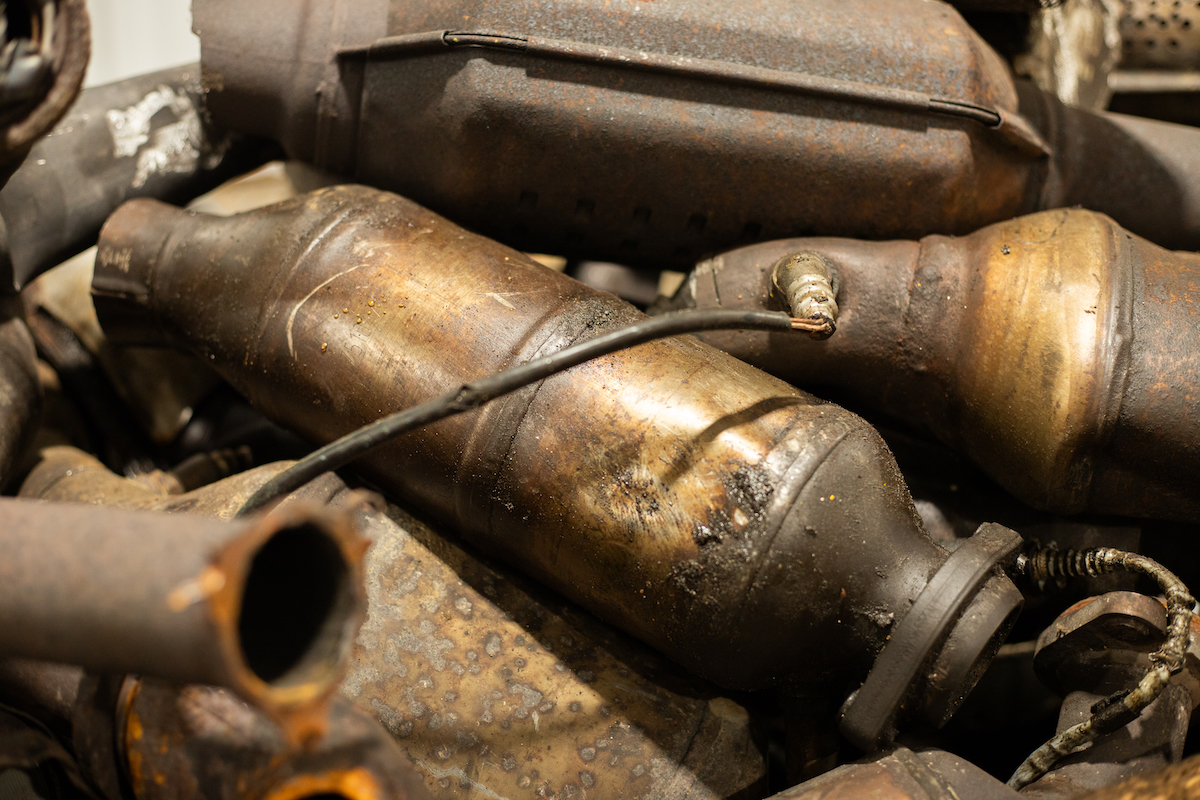
Understanding the Value of Catalytic Converters in the Automotive Core Market
Catalytic converters are among the most valuable and misunderstood components in the automotive recycling and core supply industry. While they are small in size, their role in emissions control and their precious metal content makes them one of the most important automotive cores in today’s market.
MAXCORE
For a full-service core supplier like Maxcore Industries, catalytic converters represent a critical intersection of sustainability, technology, and value creation.
What Makes Catalytic Converters So Valuable?
At the heart of every catalytic converter is a ceramic or metallic substrate coated with precious metals primarily platinum, palladium, and rhodium. These metals act as catalysts, converting harmful exhaust gases into less harmful emissions before they exit the vehicle. Because these metals are rare, difficult to mine, and expensive, catalytic converters retain significant value even after a vehicle has reached the end of its service life.
However, not all catalytic converters are created equal. The precious metal content varies greatly depending on vehicle make, model, engine type, and year. This variability makes proper identification, grading, and processing essential in the automotive core supply chain.
The Role of Catalytic Converters in the Core Supply Chain
For core suppliers like Maxcore Industries, catalytic converters are not just scrap they are high-value automotive cores that feed a global recycling and remanufacturing ecosystem. Salvage yards, recyclers, and dismantlers rely on trusted core suppliers to accurately evaluate, process, and distribute catalytic converters to downstream refiners and processors.
Maxcore’s role as a full-line core supplier allows it to bridge the gap between automotive recyclers and the end markets that recover precious metals. By handling logistics, identification, and aggregation, Maxcore helps ensure catalytic converters move efficiently through the supply chain while maintaining transparency and compliance.
Why Accurate Evaluation Matters
Because catalytic converters look similar externally but vary significantly internally, accurate evaluation is essential. Improper grading can lead to undervaluation, disputes, or lost revenue. This is why professional handling, data-driven identification, and assay-backed processes are so important.
Maxcore Industries leverages industry knowledge, technology, and strong recycler partnerships to ensure catalytic converters are evaluated fairly and consistently. This approach benefits all parties involved - salvage yards receive accurate value, processors get reliable material, and the overall supply chain operates more efficiently.
A Core Component of Sustainability
Beyond value, catalytic converters play a major role in sustainability. Recycling the precious metals inside them reduces the need for new mining operations, which are energy-intensive and environmentally disruptive. Each recycled catalytic converter contributes to reduced emissions, lower energy consumption, and a more circular automotive economy.
As emissions standards tighten globally and demand for precious metals continues to grow, catalytic converters will remain one of the most important automotive cores in the industry. With its experience and infrastructure, Maxcore Industries is well-positioned to support this growing demand responsibly and efficiently.